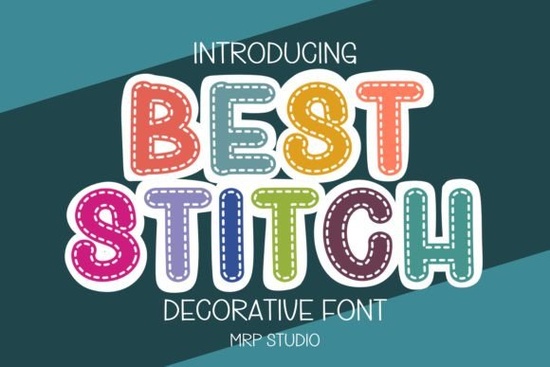
If you're looking for a friendly, hand-stitched look that works across kids’ crafts, wedding stationery, or social media graphics, Best Stitch Font is a solid choice. It’s not overly fussy or technical just warm, approachable, and easy to read at medium to large sizes. Designed with playful uneven stitching and subtle texture, it gives the impression of real embroidery without needing any design skills beyond typing. That makes it especially helpful if you’re making printable party banners, custom T-shirts for a preschool class, or even simple blog headers for a mom-run lifestyle site.
When does Best Stitch Font work best?
This font shines where personality matters more than precision. Think: baby shower invites with soft pastel backgrounds, back-to-school tote bags with cheerful slogans, or Instagram story templates for small-batch craft shops. It’s less about mimicking professional sewing and more about evoking warmth and care like something made by hand, just for you.
It pairs well with clean sans-serifs (like Montserrat or Poppins) for contrast, or with other decorative fonts that share its light-hearted energy say, a bubbly script like Rainbow Font for a birthday card headline, or a bold, flame-inspired display face like Fire Font for a fun summer camp poster. Just avoid stacking too many busy fonts in one layout two is usually enough.
What kinds of projects actually use it?
Real users report success with:
- Print-on-demand products especially children’s apparel, nursery wall art, and teacher appreciation mugs
- Digital planners and printable sticker sheets (the stitch detail holds up well on screen)
- Wedding signage welcome signs, seating charts, and dessert table labels when the couple wants charm over formality
- Social media posts for small businesses like boutique toy shops, handmade soap makers, or local preschools
- Greeting cards sold on Etsy or at craft fairs, where buyers respond to tactile-feeling design
One designer told us she used Best Stitch Font on a set of “First Day of Kindergarten” photo props and parents kept asking where she got the font. That kind of organic recognition is rare, but it happens when the typeface feels intentional and human, not generic.
How does it compare to other stitch-style fonts?
There are plenty of “stitch” or “sewing” fonts out there some mimic industrial machine stitching, others lean into cross-stitch grids. Best Stitch Font sits comfortably in the middle: it’s clearly stitched, but soft-edged and slightly irregular, so it doesn’t feel stiff or robotic. You’ll notice small variations in line weight and spacing deliberate imperfections that help it read as handmade.
For comparison, Rainbow Font offers fluid, bouncy letterforms ideal for joyful messages, while Fire Font brings high-energy contrast for attention-grabbing headlines. None replace each other they complement different moods and audiences.
Practical tips before you download
• Check the file formats included: most Creative Fabrica versions come with OTF, TTF, and sometimes WOFF for web use confirm what you need before purchasing.
• Preview how it renders at small sizes. While charming at 36pt+, it’s not ideal for body text or fine print.
• Test it in your usual software (Cricut Design Space, Canva, Adobe Illustrator) some apps handle OpenType features like alternate characters better than others.
• Look for bonus extras: many Creative Fabrica fonts include matching SVG files, dingbats, or even mockup templates handy if you’re short on time.
If you’ve already got a project in mind maybe a “Welcome to Our New Baby” banner or a set of classroom reward certificates try dropping Best Stitch Font in for 10 minutes. See how it changes the tone. Often, the right font isn’t about being flashy; it’s about feeling like the natural next step in your creative process.
Before you go: Pick one current project where friendliness matters more than formality. Swap in Best Stitch Font for the main headline or title only keep everything else unchanged. Then step away for 15 minutes and come back. Does it feel more inviting? More personal? If yes, it’s probably the right fit.
Explore Design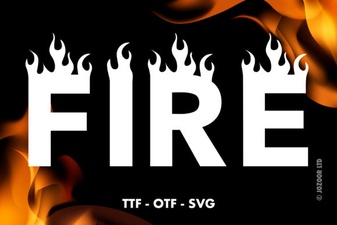 Fire Font Designs for Creative Web Projects
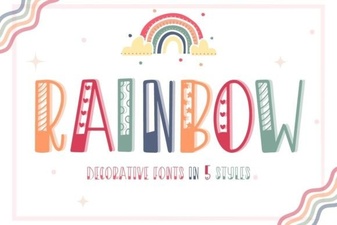 Creative Rainbow Font Designs for Projects
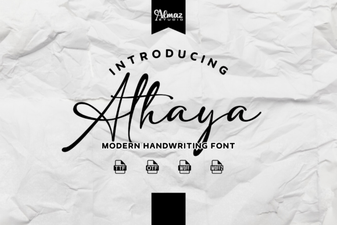 Explore Modern Typography with Athaya Font
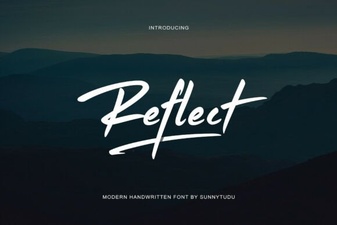 Reflect Handwritten Font: Creative Design Projects & Ideas
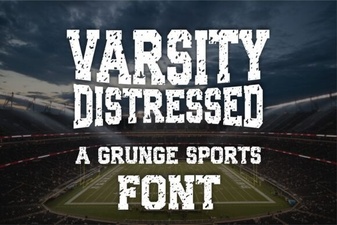 Varsity Font: Creative Design Projects & Ideas
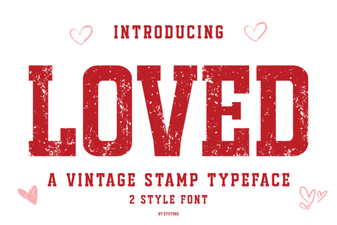 Unlock Creative Projects with Loved Font